
Best Healthy Foods to Add to Your Daily Routine: 15 Powerful Choices for a Stronger, Happier You
Filed under Foods & Excercise
Best Healthy Foods to Add to Your Daily Routine: 15 Powerful Choices for a Stronger, Happier You
Why Healthy Eating Matters Daily
Healthy eating is not just about losing weight. It is about feeling better, having more energy, and supporting your body every day. When you choose nutrient-rich foods, your body gets the vitamins, minerals, fiber, protein, and healthy fats it needs to work well.
Adding the best healthy foods to add to your daily routine can help support your immune system, improve digestion, protect your heart, and keep your energy steady throughout the day.
Nutrient Density Explained
Nutrient-dense foods provide a lot of nutrition without too many empty calories. Examples include leafy greens, berries, eggs, nuts, seeds, whole grains, and fish.
Leafy Greens: The Ultimate Superfood
Leafy greens like spinach, kale, arugula, and romaine lettuce are packed with vitamins A, C, and K. They also contain fiber, iron, and antioxidants that support overall wellness.
How to Add Greens Easily
- Add spinach to smoothies.
- Use kale in salads.
- Mix greens into omelets.
- Add lettuce to wraps and sandwiches.
Berries: Antioxidant Powerhouses
Berries such as blueberries, strawberries, raspberries, and blackberries are rich in antioxidants. These compounds help protect your cells and may support healthy aging.
Best Time to Eat Berries
Berries are great in the morning with oatmeal or yogurt. They also make a refreshing snack during the day.
Nuts and Seeds for Healthy Fats
Nuts and seeds provide healthy fats, protein, fiber, and minerals. Almonds, walnuts, chia seeds, flaxseeds, and pumpkin seeds are excellent daily choices.
Portion Control Tips
A small handful of nuts or one to two tablespoons of seeds is usually enough. Since nuts are calorie-dense, moderation is important.
Whole Grains for Sustained Energy
Whole grains like oats, quinoa, brown rice, barley, and whole wheat bread provide complex carbohydrates and fiber. They help keep you full and support steady energy.
Refined vs Whole Grains
Whole grains contain the bran, germ, and endosperm. Refined grains are processed and often lose fiber and key nutrients.
Lean Proteins for Muscle Health
Protein helps repair tissues, build muscle, and keep you satisfied after meals. Good lean protein options include chicken breast, turkey, tofu, beans, lentils, eggs, and fish.
Plant vs Animal Protein
- Plant protein: Beans, lentils, tofu, tempeh, nuts, and seeds.
- Animal protein: Eggs, fish, chicken, turkey, and low-fat dairy.
Dairy or Alternatives for Calcium
Calcium supports strong bones and teeth. Yogurt, milk, cottage cheese, fortified almond milk, fortified soy milk, and fortified oat milk can be helpful options.
Lactose-Free Options
If you avoid dairy, choose fortified plant-based alternatives that contain calcium and vitamin D.
Healthy Fats for Brain Function
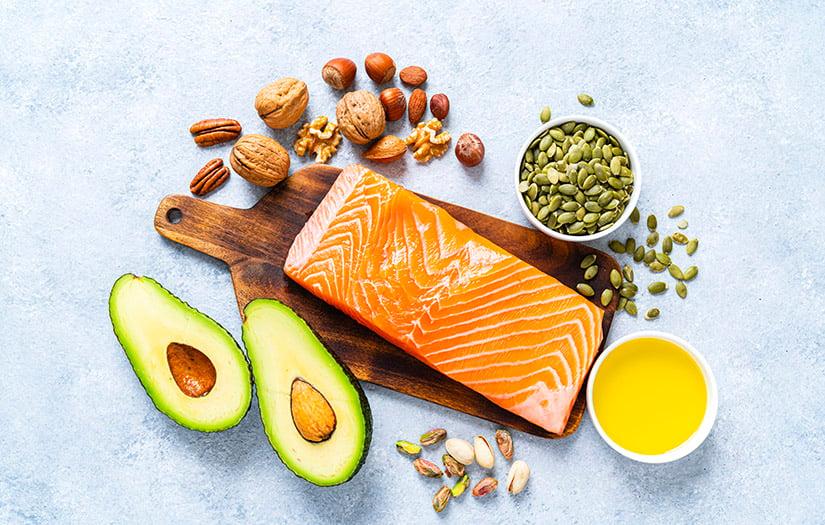
Healthy fats support brain health, hormone balance, and heart wellness. Avocados, olive oil, nuts, seeds, and fatty fish are excellent choices.
Daily Fat Intake Guide
Healthy fats are important, but portion size matters. Add small amounts to meals, such as olive oil on salad or avocado on toast.
Vegetables of All Colors
Eating colorful vegetables gives your body many different nutrients. Carrots, bell peppers, broccoli, tomatoes, beets, zucchini, and cabbage all bring unique benefits.
Benefits of Variety
Different colors often mean different vitamins and antioxidants. A colorful plate is an easy way to improve your nutrition.
Hydration: Water-Rich Foods
Water-rich foods like cucumbers, watermelon, oranges, celery, and lettuce help support hydration. They are especially helpful during warm weather or after exercise.
Staying Hydrated Naturally
- Eat fruits and vegetables with high water content.
- Drink water throughout the day.
- Add lemon, mint, or cucumber to water for flavor.
Fermented Foods for Gut Health
Fermented foods may support gut health by adding helpful bacteria to your diet. Yogurt with live cultures, kefir, kimchi, sauerkraut, miso, and kombucha are popular examples.
Probiotics Explained
Probiotics are beneficial bacteria that may support digestion and gut balance when included as part of a healthy diet.
Eggs: A Complete Protein
Eggs are affordable, easy to prepare, and rich in protein. They also contain nutrients like choline, vitamin B12, and selenium.
Are Eggs Safe Daily?
For many people, eggs can be part of a balanced diet. People with specific medical conditions should follow guidance from a healthcare professional.
Fish Rich in Omega-3
Fatty fish such as salmon, sardines, trout, and tuna contain omega-3 fatty acids. These healthy fats support heart and brain health.
Weekly Intake Recommendations
Aim to include fish a couple of times per week when possible. Choose lower-mercury options often, especially for children and pregnant people.
Dark Chocolate in Moderation
Dark chocolate can be enjoyed as a small treat. Choose chocolate with at least 70% cocoa for more antioxidants and less added sugar.
Choosing Quality Chocolate
Look for simple ingredients, higher cocoa content, and smaller portions.
FAQs About Best Healthy Foods to Add to Your Daily Routine
1. What is the healthiest food to eat daily?
Leafy greens are one of the healthiest foods to eat daily because they are rich in vitamins, minerals, fiber, and antioxidants.
2. How can I start eating healthier?
Start small. Add one healthy food to each meal, such as berries with breakfast, greens at lunch, or vegetables with dinner.
3. Are carbs bad for you?
No. Whole-food carbohydrates like oats, quinoa, brown rice, beans, fruits, and vegetables can be part of a healthy diet.
4. How much protein do I need daily?
Protein needs vary by age, weight, activity level, and health goals. A common general guideline is about 0.8 grams of protein per kilogram of body weight per day.
5. Can I eat healthy on a budget?
Yes. Budget-friendly healthy foods include oats, beans, lentils, eggs, frozen vegetables, canned tuna, brown rice, and seasonal fruit.
6. Is it okay to eat the same healthy foods daily?
It can be okay, but variety is better. Eating different foods helps your body get a wider range of nutrients.
External Resource
For more nutrition guidance, visit the Harvard T.H. Chan School of Public Health Nutrition Source.
Conclusion
Adding the best healthy foods to add to your daily routine does not require a complete lifestyle overhaul. Start with small, simple changes. Add leafy greens, berries, whole grains, lean proteins, healthy fats, and colorful vegetables to your meals.
Over time, these daily choices can support better energy, stronger immunity, improved digestion, and long-term wellness. Consistency matters most, so choose foods you enjoy and build healthy habits one meal at a time.
Also read: 12 Essential Healthy Daily Habits for Long-Term Wellness and a Better Life.