
Intermittent Fasting: 7 Powerful Benefits That Will Transform Your Health
Intermittent fasting is one of the most popular wellness trends today, and for good reason. It is simple, flexible, and can fit into many lifestyles. Instead of telling you exactly what to eat, it focuses on when you eat.
This eating pattern cycles between periods of fasting and eating. Many people use it to support weight loss, improve energy, and build better control over food choices. However, like any health strategy, it works best when done safely and consistently.
What is Intermittent Fasting?
Intermittent fasting is not a traditional diet. It is an eating schedule that includes planned fasting periods. During the fasting window, you avoid calories. During the eating window, you eat meals that support your goals.
Definition and Basic Concept
The basic idea is simple. You give your body a longer break from digestion, which may help it use stored energy more efficiently. When insulin levels drop during fasting, the body can access stored fat more easily.
History and Cultural Background
Fasting has been practiced for centuries. Many cultures and religions include fasting as part of spiritual discipline, reflection, or health. Today, people often use it as a structured lifestyle tool.
How Intermittent Fasting Works
When you fast, several changes happen inside your body. These changes may support fat burning, blood sugar balance, and cellular repair.
The Science Behind Fasting
During fasting, your body first uses stored glucose. After that, it may begin using fat as a source of energy. This shift is one reason many people choose fasting for weight management.
Hormonal Changes
Insulin levels often decrease during fasting. Lower insulin levels can make it easier for the body to use stored fat. Growth hormone may also increase, which can help preserve lean muscle.
Cellular Repair Processes
Fasting may support a natural clean-up process in the body called autophagy. This process helps cells remove damaged parts and renew themselves.
Popular Intermittent Fasting Methods
There are several ways to practice fasting. The best method is the one you can follow safely and consistently.
16/8 Method
The 16/8 method involves fasting for 16 hours and eating during an 8-hour window. For example, you may eat between 12 p.m. and 8 p.m., then fast until noon the next day.
5:2 Diet
With the 5:2 approach, you eat normally for five days of the week and reduce calories on two non-consecutive days.
Eat-Stop-Eat
This method includes a full 24-hour fast once or twice a week. It is more advanced and may not be ideal for beginners.
Benefits of Intermittent Fasting
Intermittent fasting may offer several health benefits when combined with balanced meals, enough sleep, and regular movement.
1. Weight Loss and Fat Burning
Many people naturally eat fewer calories when they shorten their eating window. This may support weight loss over time, especially when meals are rich in protein, fiber, and whole foods.
2. Improved Metabolism
Fasting may improve how the body handles blood sugar and energy. Better insulin sensitivity can support long-term metabolic health.
3. Better Brain Health
Some research suggests fasting may support brain function by helping the body manage inflammation and energy use. People also report better focus during fasting windows.
4. Blood Sugar Control
By reducing frequent snacking, fasting may help limit blood sugar spikes. This can lead to steadier energy throughout the day.
5. Simpler Meal Planning
Fewer eating hours can make meal planning easier. Some people enjoy having fewer meals to prepare, which saves time and reduces decision fatigue.
6. Support for Healthy Habits
Fasting can encourage mindful eating. You may become more aware of hunger, fullness, cravings, and emotional eating patterns.
7. Longevity and Healthy Aging
Early research suggests fasting may support cellular health and healthy aging. More human studies are still needed, but the findings are promising.
Risks and Side Effects
Intermittent fasting is not right for everyone. Some people may feel tired, dizzy, irritable, or overly hungry, especially in the beginning.
Who Should Avoid It
- Pregnant or breastfeeding women
- People with a history of eating disorders
- Children and teenagers unless medically supervised
- People with diabetes or blood sugar issues unless guided by a doctor
- Anyone taking medications that require food
Common Mistakes
- Overeating during the eating window
- Not drinking enough water
- Eating mostly processed foods
- Starting with a fasting window that is too long
- Ignoring signs of dizziness, weakness, or stress
Tips for Beginners
Starting slowly is the best way to build a routine that lasts. Your body may need time to adjust.
How to Start Safely
Begin with a 12-hour fast, such as 7 p.m. to 7 a.m. Once that feels easy, try 14 hours, then 16 hours if it suits your lifestyle.
What to Eat During Eating Windows
Choose foods that keep you full and nourished. A balanced plate should include protein, healthy fats, fiber-rich carbs, and colorful vegetables.
| Food Group | Examples |
|---|---|
| Protein | Eggs, chicken, fish, beans, Greek yogurt, tofu |
| Healthy Fats | Avocado, olive oil, nuts, seeds |
| Fiber-Rich Carbs | Oats, brown rice, quinoa, sweet potatoes |
| Vegetables | Spinach, broccoli, peppers, carrots, leafy greens |
For more nutrition guidance, visit this helpful resource from Harvard Health:
Intermittent fasting: Surprising update.
Intermittent Fasting and Exercise
Exercise can fit well with fasting, but your energy levels matter. Some people enjoy fasted workouts, while others perform better after eating.
Best Time to Work Out
The best time is the time you feel strongest and safest. Light cardio may feel fine while fasting, but intense training may work better during the eating window.
Muscle Gain Considerations
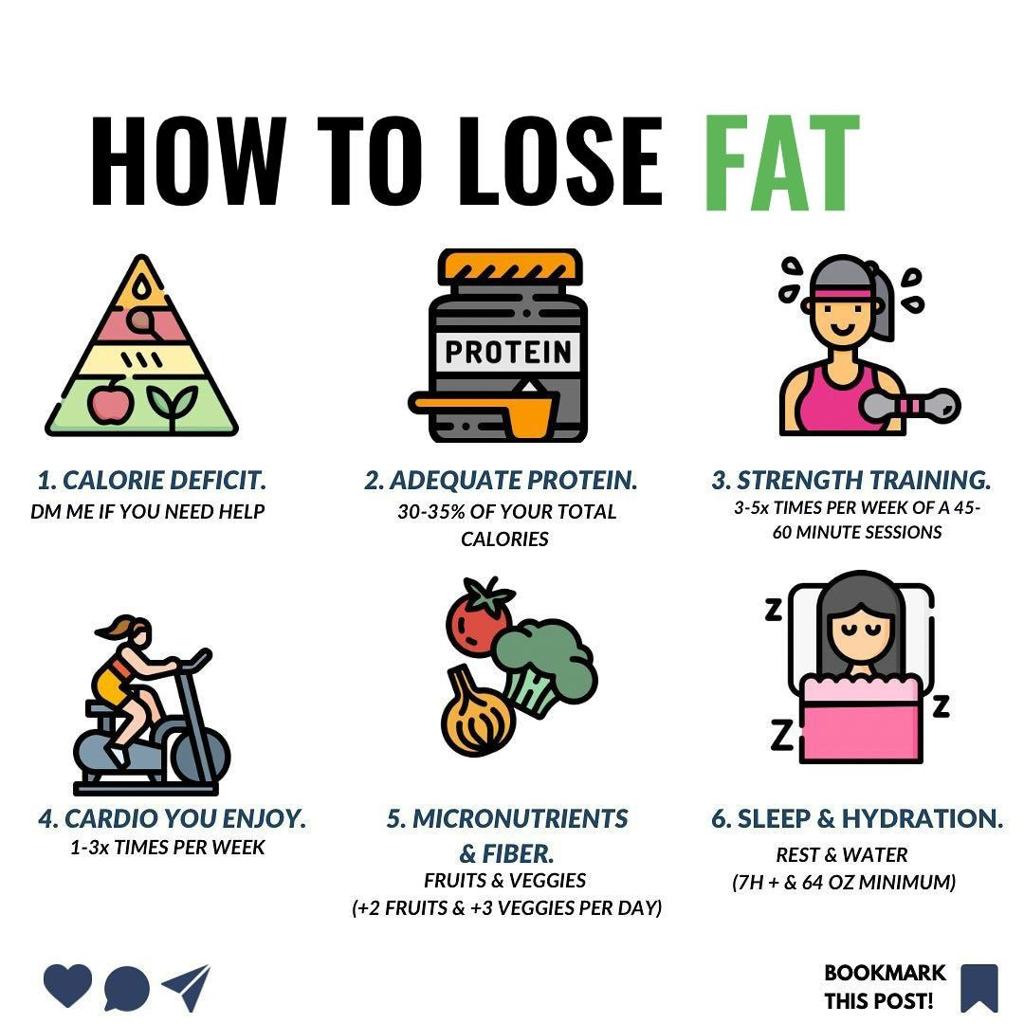
To build or maintain muscle, eat enough protein and total calories. Strength training is also important for protecting lean muscle while losing fat.
FAQs About Intermittent Fasting
1. Is intermittent fasting safe for everyone?
No. It may not be safe for pregnant women, people with eating disorders, children, or people with certain medical conditions. Speak with a healthcare professional before starting.
2. Can I drink water during fasting?
Yes. Water is encouraged. Plain tea and black coffee are also commonly allowed because they contain very few or no calories.
3. How long does it take to see results?
Some people notice changes in energy or appetite within a few days. Weight changes may take several weeks, depending on food choices and activity level.
4. Does intermittent fasting slow metabolism?
Short fasting periods usually do not slow metabolism. However, eating too little for too long can affect energy, hormones, and overall health.
5. Can I exercise while fasting?
Yes, many people can. Start with light workouts and pay attention to your body. Stop if you feel dizzy, weak, or unwell.
6. What breaks a fast?
Any food or drink with calories can break a fast. This includes snacks, milk, juice, sugar, and cream in coffee.
7. What is the best intermittent fasting method for beginners?
The 12/12 or 16/8 method is often easiest for beginners. It is simple, flexible, and easier to maintain than longer fasts.
Intermittent fasting can be a powerful and flexible way to support weight loss, better energy, and healthier habits. It works best when paired with balanced meals, hydration, exercise, and enough sleep.
The key is to start slowly, listen to your body, and choose a fasting method that fits your life. Done wisely, intermittent fasting can become a simple tool for long-term wellness.