
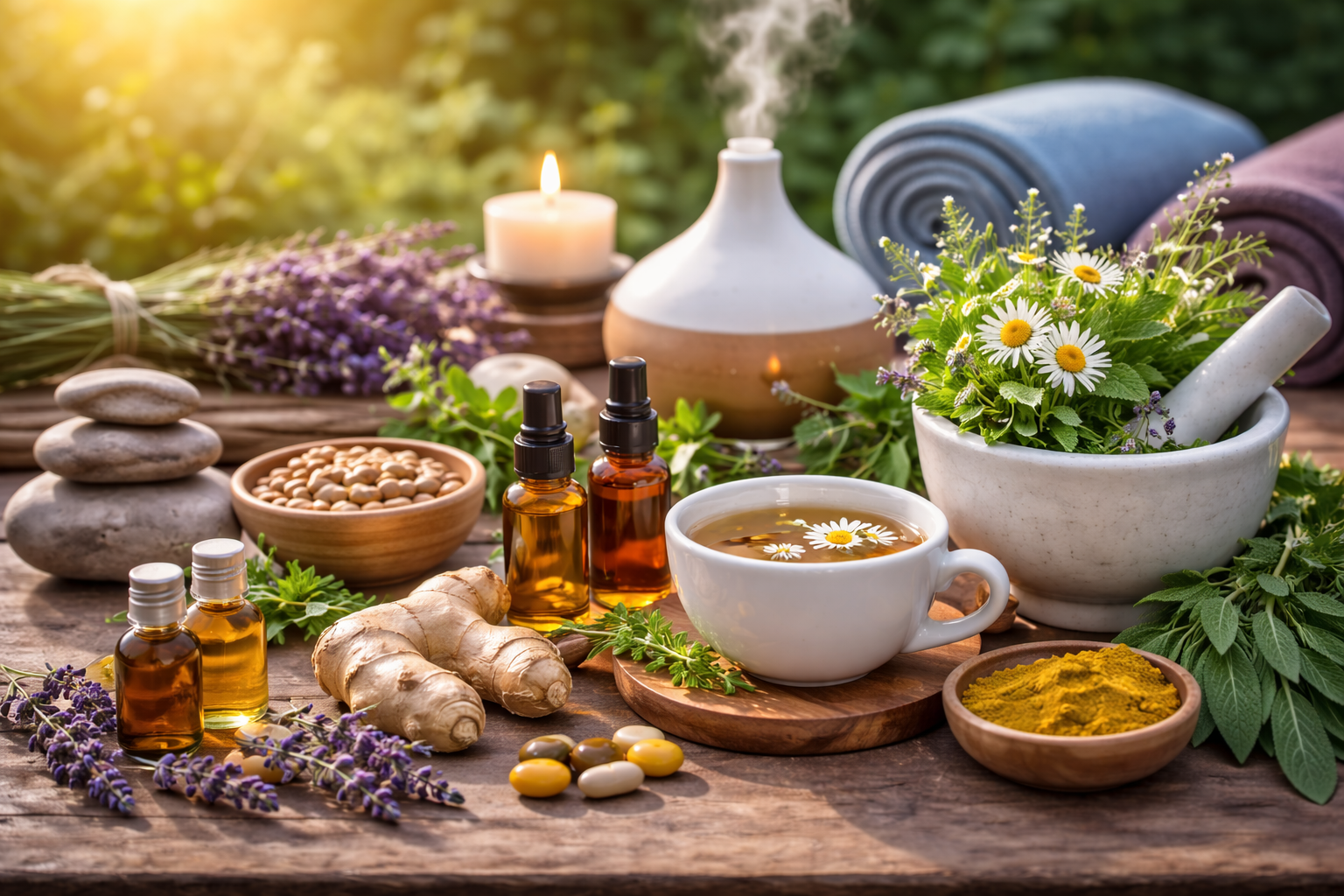
Natural Remedies for Stress and Anxiety Relief: Calm Your Mind Naturally
Stress and anxiety have become increasingly common in modern life. Fast-paced schedules, constant digital stimulation, financial pressure, poor sleep, and emotional overload can all leave the body and mind feeling tense, restless, and drained. While occasional stress is a normal part of life, chronic stress can affect mood, energy, sleep, focus, and overall well-being.
Fortunately, there are many natural stress relief methods that may help calm the nervous system and support emotional balance. From herbal support and breathing exercises to gentle movement and better sleep habits, small daily practices can make a meaningful difference. In this guide, we explore effective remedies for anxiety and practical calming techniques that may help you feel more grounded naturally.
What Causes Stress and Anxiety in Modern Life?
Modern lifestyle patterns often create a steady stream of physical and emotional tension. Many people spend long hours sitting, working under pressure, checking screens, and managing multiple responsibilities without enough rest or recovery. Over time, this can overactivate the body’s stress response.
Common causes of stress and anxiety include:
- Workload and time pressure
- Financial uncertainty
- Relationship challenges
- Information overload and constant notifications
- Poor sleep habits
- Lack of physical activity
- Excess caffeine or stimulants
- Health concerns or chronic pain
When stress becomes ongoing, the body may remain in a state of heightened alertness. This can contribute to irritability, muscle tension, poor concentration, digestive discomfort, fatigue, and trouble falling or staying asleep. Learning to reduce stress naturally can help restore inner balance and improve resilience.
Related reading: Natural Remedies for Everyday Health and Wellness
Herbal Support for Natural Stress Relief
Herbal remedies have long been used to support the nervous system and promote relaxation. While herbs are not a cure for anxiety disorders, some may help ease mild stress symptoms and encourage a calmer mood when used appropriately.
Ashwagandha
Ashwagandha is a popular adaptogenic herb often used to help the body adapt to stress. It may support emotional balance, reduce feelings of tension, and improve overall resilience during stressful periods.
Chamomile
Chamomile is one of the most widely used herbs for relaxation. Commonly consumed as tea, it may help soothe nervous tension, support restful sleep, and ease mild anxiety symptoms.
Lemon Balm
Lemon balm is known for its calming qualities and is often used to support relaxation, mood balance, and mental clarity.
Lavender
Lavender may be used as a tea, essential oil, or aromatherapy aid. Its gentle floral scent is widely associated with calmness and better sleep quality.
Passionflower
Passionflower is sometimes used to promote relaxation and support sleep, especially when stress and worry interfere with rest.
Important: Always speak with a qualified healthcare professional before using herbal supplements, especially if you are pregnant, nursing, have a medical condition, or take prescription medications.
Related reading: Herbal Remedies for Some Common Everyday Ailments
Breathing Techniques to Calm the Nervous System
Breathing is one of the simplest and most effective calming techniques for stress and anxiety. Slow, intentional breathing helps signal safety to the body and may shift the nervous system away from a stress response.
Deep Belly Breathing
Sit comfortably and place one hand on your abdomen. Inhale slowly through your nose, allowing your belly to rise. Exhale gently and fully. Repeat for several minutes.
4-6 Breathing
Inhale for a count of 4 and exhale for a count of 6. A longer exhale can help promote relaxation and reduce tension.
Box Breathing
Inhale for 4 counts, hold for 4, exhale for 4, and hold again for 4. This structured breathing method may help improve focus while calming the mind.
Extended Exhale Breathing
Take a comfortable inhale, then exhale slowly for a longer count. This technique is particularly helpful when feeling overwhelmed or restless.
Practicing breathing exercises for just a few minutes each day may help reduce physical tension, quiet racing thoughts, and improve emotional regulation.
Related reading: Exploring the Relationship Between Certain Foods and Stress
Gentle Movement for Anxiety Relief: The Benefits of Ba Duan Jin
Gentle movement can be a powerful natural tool for emotional balance. Unlike intense exercise, slow and mindful practices may calm the mind while also releasing physical tension stored in the body.
One particularly helpful practice is Ba Duan Jin, also known as the Eight Brocades. This traditional mind-body exercise combines gentle stretching, breathing, posture, and coordinated movement. It is often used to support circulation, relaxation, and internal balance.
How Ba Duan Jin, or the “Eight Brocades,” May Help
- Encourages deep, steady breathing
- Releases muscular tension
- Promotes mental calm and body awareness
- Supports better circulation and energy flow
- Provides a gentle daily wellness ritual
Other helpful movement practices include walking, tai chi, stretching, restorative yoga, and light mobility exercises. The goal is not intensity, but consistency. Even 10 to 20 minutes of gentle movement each day may help ease anxious feelings and improve mood.
Related reading: Dao-Inspired Wellness Guide
Sleep Optimization for Better Stress Recovery
Poor sleep and stress often reinforce one another. When sleep suffers, the body becomes less resilient to emotional strain. When stress rises, falling asleep can become more difficult. Improving sleep habits is one of the most important natural strategies for reducing anxiety and restoring balance.
Natural Sleep Optimization Tips
- Keep a regular sleep and wake schedule
- Reduce screen time before bed
- Limit caffeine later in the day
- Create a cool, dark, and quiet sleep environment
- Use calming evening rituals such as herbal tea, reading, or gentle stretching
- Avoid heavy meals close to bedtime
- Practice slow breathing before sleep
Sleep is when the body restores itself physically and emotionally. By protecting your sleep routine, you give your nervous system a chance to recover from daily stress more effectively.
Related reading: Beat Insomnia the Natural Way
Additional Natural Remedies for Anxiety Relief
Along with herbs, breathing, movement, and sleep support, other natural habits may help reduce stress and improve emotional well-being:
- Spending time outdoors to reduce mental fatigue and restore calm
- Reducing stimulant intake such as excess caffeine
- Mindful nutrition with balanced meals to support steady energy
- Journaling to process emotions and reduce mental clutter
- Aromatherapy using calming scents like lavender
- Social support through meaningful connection with trusted people
These simple lifestyle habits can complement other remedies for anxiety and create a stronger foundation for long-term emotional wellness.
Related reading: Aromatherapy for Mental Health
When to Seek Medical Help for Stress or Anxiety
Natural approaches can be very helpful for mild or occasional stress, but professional support is important when symptoms become severe, persistent, or disruptive. It is wise to seek medical or mental health help if stress or anxiety:
- Interferes with daily life or relationships
- Causes panic attacks or severe physical symptoms
- Leads to ongoing insomnia
- Worsens depression or emotional distress
- Triggers substance misuse
- Feels overwhelming or unsafe
A healthcare professional can help identify underlying causes, rule out other health conditions, and recommend the most appropriate treatment plan. Natural methods can often be part of a broader support strategy, but they should not replace needed medical care.
Final Thoughts
Finding effective natural stress relief does not always require complicated routines. In many cases, the most helpful changes are simple and steady: calming herbs, intentional breathing, gentle movement, better sleep, and a more balanced daily rhythm. These natural approaches can help quiet the mind, support the nervous system, and encourage emotional resilience over time.
If you are looking for practical calming techniques and gentle remedies for anxiety, start with one or two habits that feel realistic. Small daily actions often lead to meaningful long-term change.
Frequently Asked Questions
What is the best natural remedy for stress relief?
There is no single best remedy for everyone, but common options include chamomile tea, deep breathing, gentle movement, and better sleep habits.
Can breathing techniques really reduce anxiety?
Yes. Slow breathing may help calm the nervous system, reduce tension, and improve emotional control during stressful moments.
Is Ba Duan Jin good for stress and anxiety?
Ba Duan Jin may be helpful because it combines slow movement, breathing, and mindful focus, all of which can support relaxation and emotional balance.
When should I see a doctor for anxiety?
You should seek help if anxiety becomes persistent, overwhelming, interferes with daily life, or causes significant sleep or emotional problems.